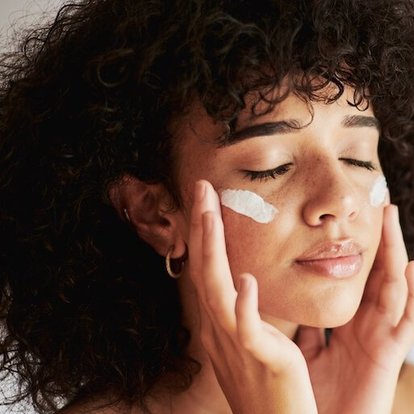
Niacinamide is an active ingredient derived from vitamin B3. Few actives work across as many concerns, and fewer still are as useful when addressing the appearance of dark spots.
Below, we explain what niacinamide does for the skin, how dark spots and hyperpigmentation develop, and how to incorporate niacinamide products from our Liftactiv range into your morning and evening skincare routines.
What is niacinamide?
Niacinamide is vitamin B3 – also known as nicotinamide – a water-soluble vitamin widely used in skincare. It is an active ingredient, meaning it is included in a formula to deliver specific, visible benefits (rather than simply give a product its texture or feel).
Hydrating, brightening, and skin moisture barrier-supporting, the benefits of niacinamide for skin are wide-ranging, which is why it features in everything from serums to moisturisers. On top of this, niacinamide is particularly beneficial for hyperpigmentation, helping to visibly reduce the appearance of dark spots and promote a more even-looking skin tone.
What causes hyperpigmentation and dark spots?
To understand hyperpigmentation, it helps to start with melanin – the pigment that gives your skin its colour.
Hyperpigmentation happens when melanin is produced or distributed unevenly, which causes certain areas to appear darker than the skin around them. The pigment itself is normal; it's the uneven distribution that creates the visible contrast.
"Hyperpigmentation" is the umbrella term. Underneath it sit several familiar forms:
- Sun spots and age spots – linked to cumulative UV exposure over time
- Post-blemish marks – the darker marks that can linger after a breakout has cleared
- Hormonal hyperpigmentation – patchier, often larger areas of unevenness
UV exposure is a common factor in most forms of hyperpigmentation. Continued sun exposure can darken existing dark spots and encourage new ones to form, which is why daily SPF is essential for protecting the niacinamide B3 benefits you're working towards.
How does niacinamide help with hyperpigmentation?
So, what does niacinamide do for the skin?
Pigment is made in the deeper layers of skin, then travels up to the surface cells where it becomes visible. Niacinamide helps slow that journey – the less pigment that reaches the surface, the less visible hyperpigmentation becomes.
Our Liftactiv Pigment Specialist B3 Anti-Dark Spots Serum is formulated with 5% niacinamide alongside MelasylTM – a patented molecule that intercepts melanin precursors before they develop into visible pigment.
Together, these ingredients target stubborn hyperpigmentation, with clinical testing showing a reduction in the appearance of dark spots of up 86%.1
1Helps reduce dark spots by up to 86%, wrinkles by up to 38%, and evens out skin tone and radiance.
5 benefits of niacinamide for hyperpigmentation and skin
Hyperpigmentation is the reason most people reach for niacinamide, but it's rarely the only benefit they notice. Read on for five benefits of niacinamide for skin.
1. Helps reduce the appearance of dark spots
Niacinamide works on the transfer of pigment – rather than its production. By limiting how much melanin reaches the surface skin cells where it becomes visible, this ingredient helps existing dark spots look less pronounced with continued use.
2. Brightens dull-looking skin
Dullness usually comes down to two things: uneven surface texture and a build-up of pigment that scatters light unevenly. Niacinamide addresses both, helping to even out tone while supporting the hydration that keeps the skin's surface smooth. The smoother and more uniform that surface, the more evenly it catches the light and develops a natural glow.
3. Helps fade the appearance of post-blemish marks
Post-blemish marks are often more persistent than the breakouts that caused them. Skin treats a blemish much like an injury, producing extra melanin where it sat – and while the blemish is temporary, that pigment can stay visible for weeks or even months.
Niacinamide helps limit how much of that pigment shows up at the surface and is gentle enough for blemish-prone skin to use every day.
4. Supports the skin moisture barrier
Niacinamide supports the skin's production of ceramides – the lipids that sit between surface skin cells and hold them together, like concrete between bricks.
A well-supplied ceramide layer means a stronger skin moisture barrier, which holds moisture in and keeps external stressors out.
5. Complements other brightening and renewing ingredients
Niacinamide is stable across a wide pH range and generally well tolerated, making it easy to pair with other active ingredients. It can help reduce the dryness associated with retinol, complement the hydrating effects of hyaluronic acid, and work alongside vitamin C to target uneven tone.
Niacinamide serum vs niacinamide night cream
The difference between two of the key products niacinamide is formulated in – serums and night creams – comes down to texture:
- Serums are lightweight and highly concentrated, absorbing quickly to deliver a high concentration of active ingredients, leaving no product sitting on the surface.
- Night creams are richer by design, forming a layer that helps skin hold onto moisture while you sleep.
Below, we explain how you can use both to get the most niacinamide skin benefits from your products.
Niacinamide serum
Serums are the most direct way to introduce niacinamide B3 benefits into your routine. Our Liftactiv Pigment Specialist B3 Anti-Dark Spots Serum combines 5% niacinamide with MelasylTM, a patented molecule that intercepts excess melanin. Niacinamide and MelasylTM work at different levels of the skin to help fade the appearance of dark spots, while also softening the look of fine lines and wrinkles.
Apply Liftactiv Pigment Specialist B3 Anti-Dark Spots Serum after cleansing and before moisturiser. Remember,
too, to use it morning and night – hyperpigmentation responds to consistency, and daily use will
help support visible results over time.
Niacinamide and retinol night cream
Liftactiv B3 Tone Correcting Retinol Night Cream pairs 4% niacinamide with 0.15% pure retinol, working overnight while the skin's surface-cell renewal processes are most active.
The combination of these ingredients targets the appearance of dark spots and uneven tone alongside fine lines and wrinkles: retinol drives skin cell renewal, while niacinamide supports the skin moisture barrier and helps to offset the dryness that retinol can cause.
Retinol works best when introduced gradually, which gives the skin time to adjust. We recommend starting with two applications in the first week, then moving to every second night in the second week – before applying it nightly, as tolerated, from the third week.
The benefits of niacinamide extend across a range of skincare concerns, including support for collagen. Next, learn more about collagen peptides and what they do for skin.