
.jpg?rev=4132e267f8494f249fb6b36ed21bd613&cx=0.63&cy=0.48&cw=170&ch=238&hash=2B0B79F32059BD042F172F22C7753626)
Forehead Wrinkles & Fine Lines: Causes, Types and Care
For women over 40, forehead lines, crow's feet, frown lines, and deep cheek wrinkles are some of the most common skin concerns and they all have different causes, timelines, and solutions.
Explore our expert skincare guides covering key topics from collagen and skin firmness to hydration, the skin barrier, and the role of ingredients like hyaluronic acid and vitamin B3. Each guide is informed by dermatological expertise to help you make more confident choices for your skincare routine.
For women over 40, forehead lines, crow's feet, frown lines, and deep cheek wrinkles are some of the most common skin concerns and they all have different causes, timelines, and solutions.
.jpg?rev=add5c921333a4a27a15ca682a8ab1365&cx=0&cy=0&cw=170&ch=238&hash=FEA3DB0BB25179B7B340FAA9B32BEF57)
Menopause is a natural biological process that marks the end of a woman’s reproductive life cycle. During this time changes to the body and skin occur.

At Vichy, our Liftactiv range is developed to target age-related changes with clinically tested formulas: using vitamin C for collagen production, while helping protect existing collagen from damage.
.jpg?rev=1f73804ed60d4edf8609dbfa15f18169&cx=0&cy=0&cw=170&ch=238&hash=7F39054384075A7CD8A062CFB853A8B8)
Since collagen is essential to your skin’s structure, collagen loss is directly linked to visible signs of ageing: like skin sagging, loss of firmness, and deeper-set fine lines and wrinkles. This is where collagen-boosting ingredients like peptides can assist.
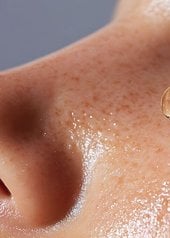
Collagen is a natural protein in your skin that helps keep it firm and structured. As you age, your body produces less of it, which is when fine lines and wrinkles start to appear.

Collagen is one of the most important proteins in the human body. Collagen is what gives your skin its strength and firmness – and it plays a major role in how your skin changes as you age.

Vitamin C is a familiar nutrient – and one of skincare's best-known antioxidants. You'll find it in moisturisers, eye creams, and targeted formulas like our Liftactiv 16% Vitamin C Serum.

Uneven skin tone is one of the most common skincare concerns – and, often, one of the most persistent too. When dark spots linger or post-blemish marks are slow to fade, niacinamide can provide targeted support for a clearer, more even-looking complexion.

Few skincare ingredients are as recognisable – or as widely misunderstood – as hyaluronic acid. It turns up in serums, moisturisers, and eye creams across almost every skincare aisle. But what is hyaluronic acid and what does hyaluronic acid do for skin?


